

Grade 2 - Reading Comprehension - Manitoba Language - Lesson/Workbook Bundle
Grade 2 - Reading Comprehension - Manitoba Language - Lesson/Workbook Bundle
Interested in a bundle? Shop below instead!
Couldn't load pickup availability
Grade 2 - Reading Comprehension Unit - Manitoba Language Curriculum - Lesson/Workbook Bundle. This bundle was created to provide everything you need to teach the Grade 2 Reading Comprehension unit in the Manitoba Language Curriculum.
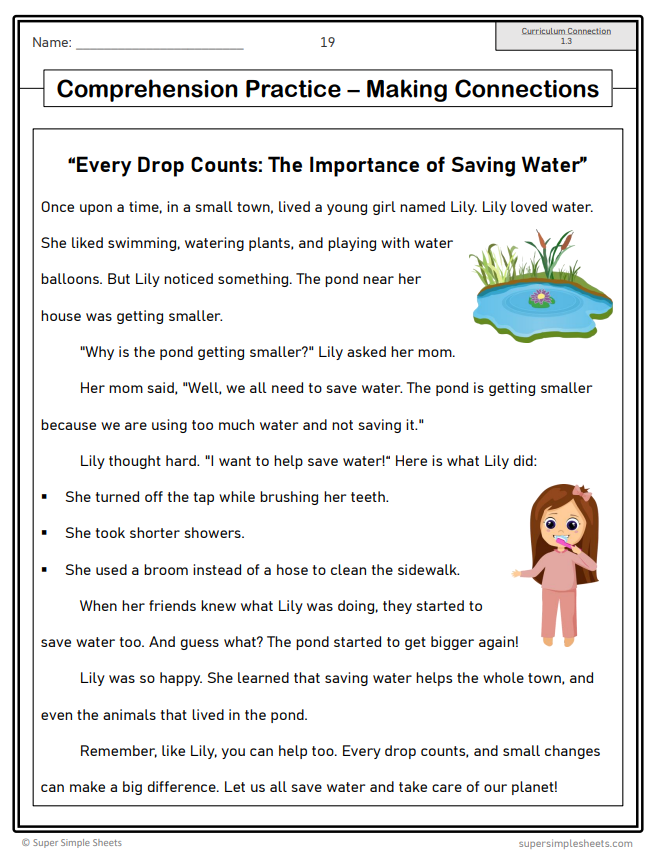
With your purchase, you will receive lesson slides that follow the 3-Part lesson format, engaging your students from start to finish. You will also receive the workbook, which contains fun activities and worksheets for your students to demonstrate their understanding.
Workbook Details:
This resource covers all elements, grade band descriptors, and elaborations related to reading comprehension in the grade 2 Manitoba Language (ELA) curriculum. There are 310 pages for students to master the skills they need to meet the requirements of the curriculum.
We’ve included a variety of activities, including independent reading responses, group activities, assignments, experiments, exemplars, and hands-on activities to keep your students engaged.
Included in this resource are the elaborations within the elements below:
Language as Sense Making – using reading comprehension strategies to read a variety of texts
Language as System – understanding the text patterns, features, and structures used within a variety of text forms
Language as Exploration and Design – using texts to extend understanding of topics and to form new ideas/opinions
Language as Power and Agency - reading other points of view and listening to other opinions
In addition, we have included a full-year long range plan that outlines what concepts from the curriculum you will be teaching each week/block.
Some of the concepts covered:
- What are text forms?
- Before reading: comprehension strategies – activating prior knowledge and reasons for reading
- During reading: comprehension strategies – questioning, making connections, inferences, predictions, visualizing
- After reading: comprehension strategies – summarizing, making inferences, visualizing
- Monitoring understanding – does it look right, does it sound right, does it make sense?
- Vocabulary to talk about texts: book, page, chapter, author, title, illustrator, headings, table of contents, etc.
- Jokes and riddles
- Letter writing – emails, formal and informal letters, writing with voice
- Cohesive ties – using linking words (conjunctions, pronouns, and transition words) in letter writing
- Narratives – use of literary devices: similes and consonance
- Perspective in narratives – first-person and third-person
- Narratives – sequencing multiple plots in a story and explaining cause and effect
- Folk tales and legends – heroes and heroines
- Story structure – characters, setting, plot, and events
- Reading strategies – chunk words, stretch words, and re-read texts
- Cross-curricular connections – science and social studies (water, growth of animals, changing families, etc.)
- Persuasive writing – using critical thinking skills to determine bias
- Using facts or opinions in persuasive writing
- Finding implicit and explicit evidence in persuasive texts
- Making inferences about persuasive texts
- What is procedural writing?
- Text features and text patterns of procedural writing – instruction booklets, how-to-guides
- Sequencing the steps in a how-to-guide
- Using graphics to enhance procedural texts
- Indigenous connection: how-to-guides for drawing Totem Poles, Igloos
- Text features in reports – index, glossary, timelines, headings, table of contents, charts, icons, etc.
- Reports on diversity, inclusion, and accessibility
- Use of infographics, timelines, maps, diagrams, and pictures in reports
- Literary devices used in poetry – similes and consonance
- Acrostic poems
- Assignment – examining poems written by Indigenous authors
- Reading different styles (voices) in book reviews
- Text features in comics, infographics, memes, and maps
- How images, graphics, and visuals contribute to biographies
- Text features in biographies – using a table of contents, icons, and indexes to understand a biography
- Biographies – Albert Einstein, Terry Fox, Margaret Atwood, Stephen Hawking: Table of Contents, Glossary
- Identifying familiar and “sight” words
- Metacognitive activities: reading goals, using reading strategies reflections, tracking reading times
- Answer pages for all activities
Google Lesson Slides
Grade 2 - Reading Comprehension Unit - Google Lesson Slides - Manitoba Language Curriculum. This resource is packed with all the lessons you need to teach the Reading Comprehension, Grade 2, Manitoba Language Curriculum.
We have structured these lessons to follow the popular 3-Part Lesson format. By using these lessons, you will be provided with learning goals, discussion questions, relevant YouTube videos, interactive slides, exit cards, and more. Check out the variety of activities you'll receive below.
Part 1: Minds On!
- Learning Goals
- Discussion Questions
- Quotes
Part 2: Action!
- Interactive Activities
- Drag and Drop
- Fill in the Blanks
- Matching
- Drawing
- Writing
Part 3: Consolidation
- Exit Cards
- Quizzes
- Reflection
After purchasing this resource, you will be able to download a copy of this file to your Google Drive. From there, you can complete these lessons with your class, and/or assign these slides in Google Classroom.